
Who we build for
Industries we work with
Five sectors, one shop. What changes between them is rarely the machine, it is the material and what the part has to prove once it is inspected. Pick a sector below to see a representative part, the material a shop would normally reach for, and what usually qualifies it.
Interactive
Select an industry
Each sector shows a representative part in 3D, the material a shop would normally reach for, the property that actually qualifies the part, and what the inspection usually has to prove.
Industrial manufacturing
Housings, brackets, spacers and drive components for OEM equipment builders.
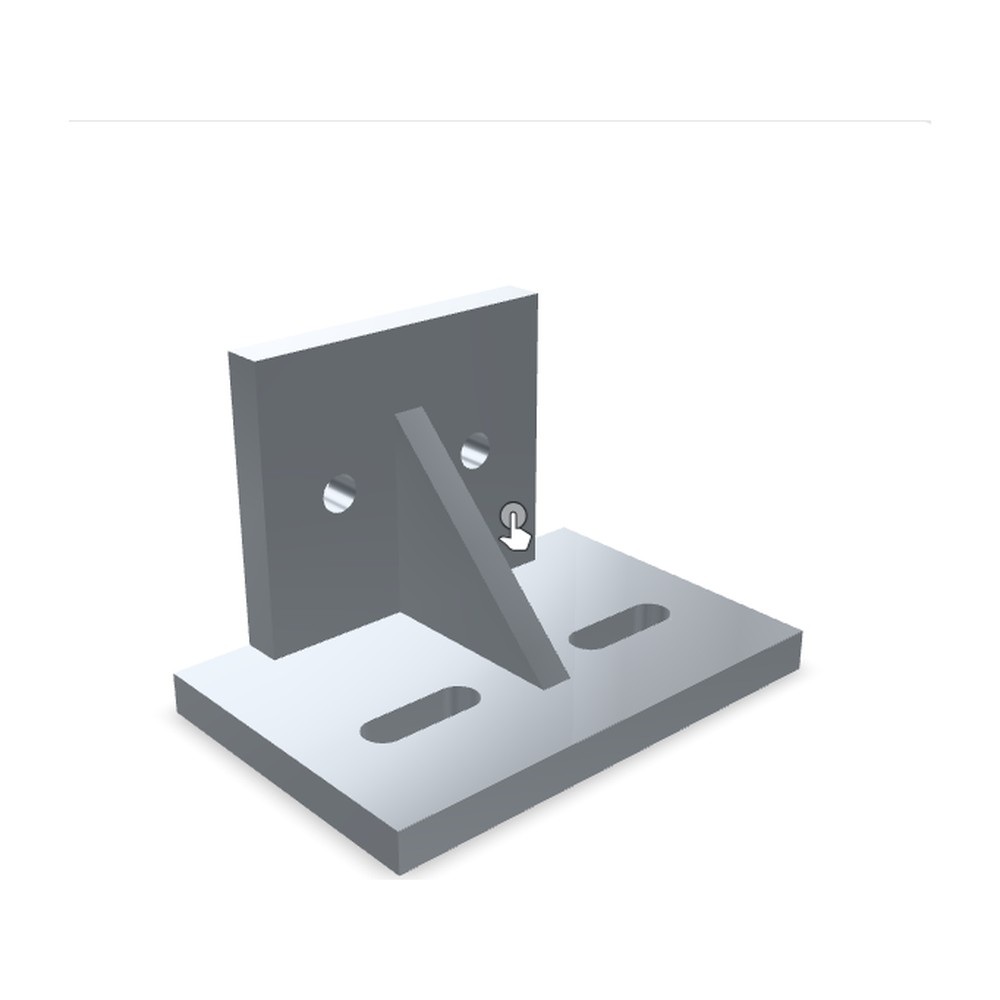
What qualifies the part: overall strength and weight, since these parts mount and move with the equipment they serve.
What inspection usually has to prove: dimensional conformance against the drawing, including hole positions, mounting-face flatness and overall envelope.
Energy
Flanges, valve bodies and pump components for oil, gas and power generation.
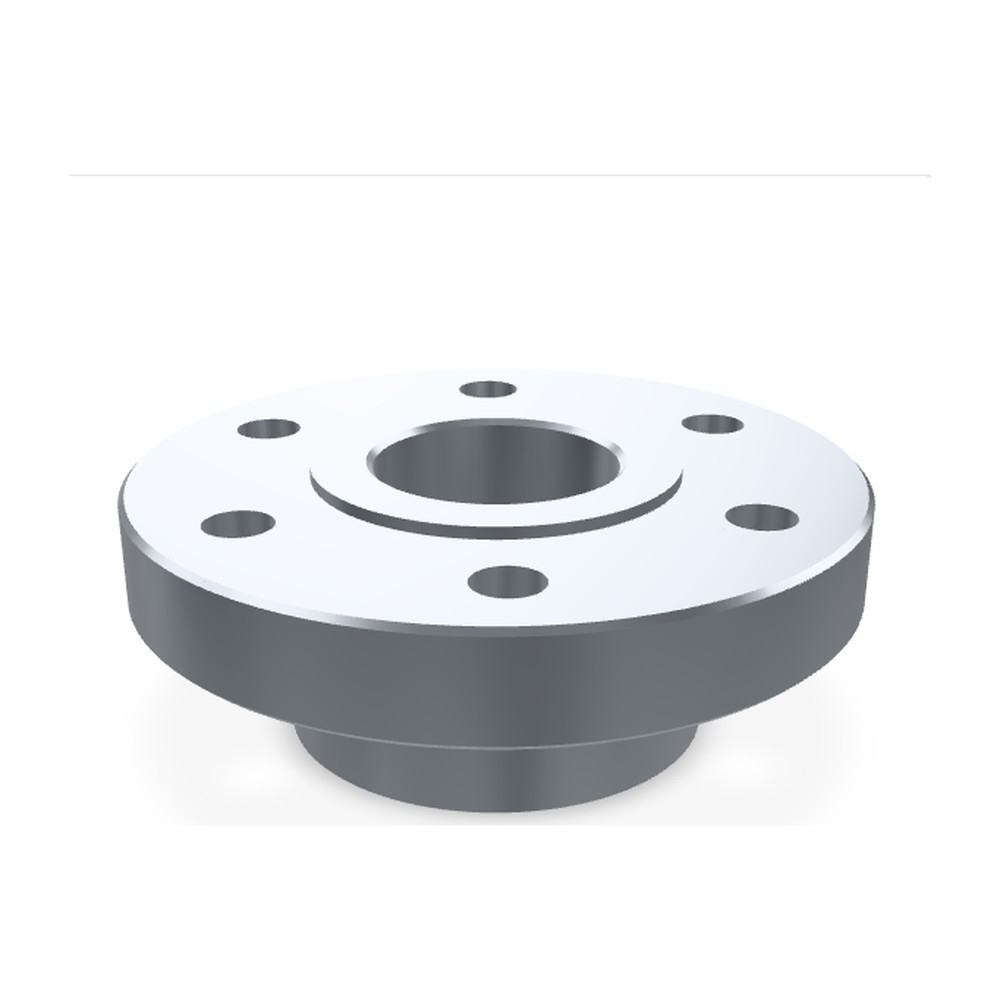
What qualifies the part: corrosion class and the integrity of the sealing face, since a leak path is not an option.
What inspection usually has to prove: a material certificate tying the part to its heat, plus a flatness and bolt-circle true-position check on the sealing face.
Automotive equipment
Shafts, manifolds and tooling for automotive and off-highway equipment.
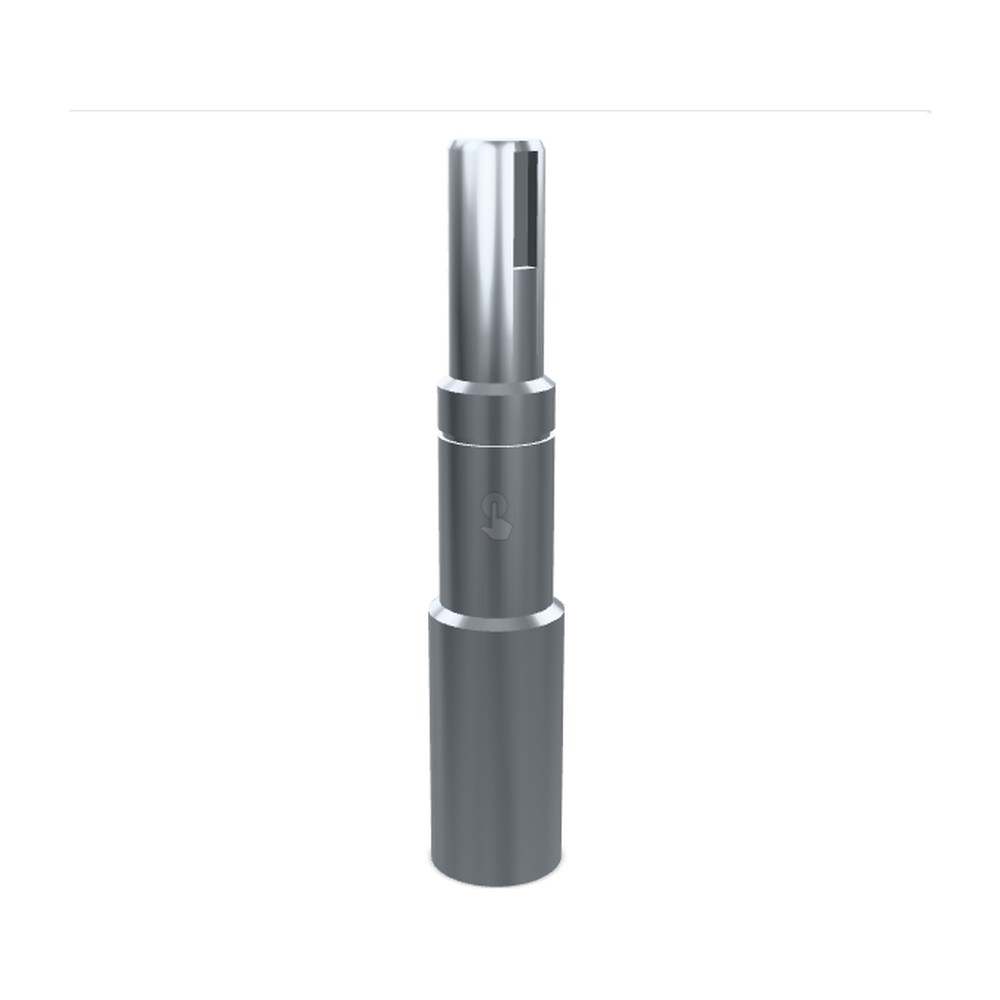
What qualifies the part: strength and hardness after heat treatment, since these parts carry real load in service.
What inspection usually has to prove: a hardness check against the specified range, plus runout and journal-diameter measurement.
Chemical processing
Manifolds, fittings and wetted parts for process plant.
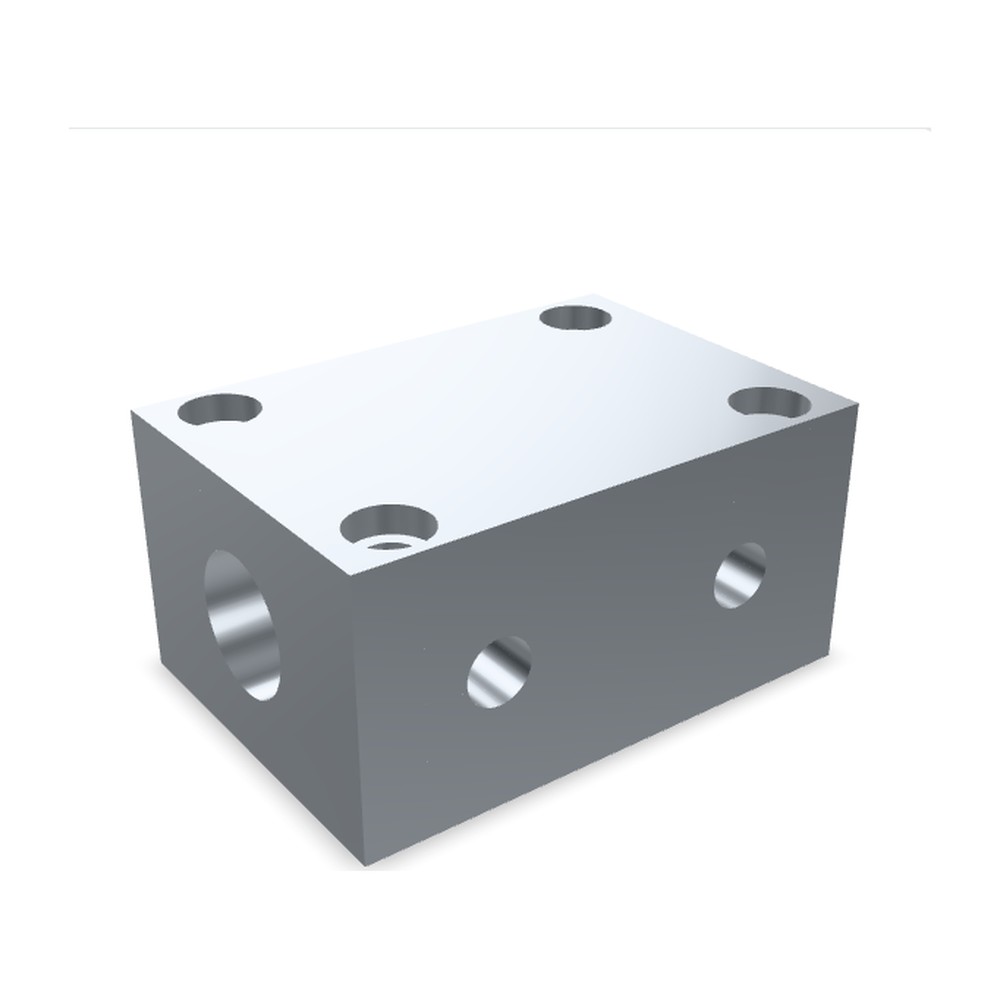
What qualifies the part: corrosion class and surface finish, since strength alone does not qualify a wetted part.
What inspection usually has to prove: a material certificate plus a surface-finish check on any wetted face.
General manufacturing
The replacement part, the obsolete component, the fixture nobody else will quote.
What qualifies the part: straightforward dimensional conformance to the print. Function usually matters more than a specific alloy family here.
What inspection usually has to prove: a dimensional inspection against the drawing, the same way any one-off or short-run part is checked in this shop.
Illustrative The material shown for each sector is the one a shop would typically reach for on that kind of part. Your actual specification depends on your drawing and is confirmed at quote.
All five, compared
The same three questions, asked across every sector we work with.
| Industry | Typical part | Usual material family | What the paperwork usually has to show |
|---|---|---|---|
| Industrial manufacturing | Housings, brackets, spacers, drive components | Aluminum alloy | Dimensional inspection against the drawing |
| Energy | Flanges, valve bodies, pump components | Austenitic stainless (304 or 316) | Material certificate, plus flatness and true-position on the sealing face |
| Automotive equipment | Shafts, manifolds, tooling | Chromoly alloy steel, heat-treated | Hardness check, plus runout and dimensional inspection |
| Chemical processing | Manifolds, fittings, wetted parts | Austenitic stainless (316, chloride-resistant) | Material certificate, plus a surface-finish check |
| General manufacturing | Replacement parts, obsolete components, custom fixtures | Whatever the print calls for, most often aluminum or stainless | Dimensional inspection against the drawing |
Questions we get asked about fit
Which industries do you work with?
Industrial manufacturing, energy, automotive equipment, chemical processing and general manufacturing. If a job does not fit neatly into the first four, it lives in the fifth.
Does the material change by industry?
Usually, yes, though it is the function that decides it, not the sector by itself. A part for the energy sector is likely to be stainless because of what it seals against, not because energy customers ask for stainless specifically.
Do you need to know my industry to quote a part?
Not strictly. The drawing is what quotes the job. Telling us the industry and application helps us ask the right questions about material and inspection sooner.
What if my part does not fit neatly into one of these five?
That is exactly what general manufacturing covers on this page: the replacement part, the obsolete component, the fixture nobody else will quote.